Otoplasty (Ear Pinning)
A Beauty That Comes
From Feeling Confident
Cosmetic ear surgery reshapes the ears of adults and children who feel self-conscious about their size or shape. Otoplasty (ear pinning) reduces the prominence of the protruding ears by setting them closer to the head in a way that looks natural. Dr. Eric Chang and Dr. Jessica Wang also perform reconstructive ear surgery for patients with congenitally misshaped ears or those who have been treated for skin cancer.
Save $50 on your consultation (regularly $150), or call us at (410) 740-9330. Please note, this discount cannot be applied to procedures covered by insurance, only applies to cosmetic consults, and is valid for new patients only. For existing patients, please contact us online or call the office for an appointment.
“Dr. Chang has a great bedside manner. He got me in right away and saw that I was taken care of quickly. His staff is very friendly and helpful.”

Keep in mind that each patient is unique and your results may vary.
Before & After Gallery
View real patient images and see the difference our surgeons are able to make in the lives of their patients.
Ideal Candidates for Ear Surgery
Ear surgery, whether for cosmetic pinning (otoplasty) or more advanced reconstruction, can be an effective way to improve the appearance, balance and symmetry of the ears. Ideal candidates are those who are bothered by the shape, position or structure of their ears and are seeking a long-lasting solution with natural-looking results.
You may be a good candidate for ear surgery if you:
- Have ears that protrude prominently from the head
- Feel self-conscious about ear size, shape, or asymmetry
- Have congenital ear differences, such as underdeveloped or misshapen ears
- Have experienced trauma or injury that affected the ear’s appearance
- Are in good overall health and able to undergo surgery
- Have realistic expectations about what the procedure can achieve
Children can be good candidates for ear pinning once the ears are fully developed, typically around age 4 or older. Both children and adults may be candidates for reconstructive procedures, depending on their needs.
Benefits of Otoplasty and Reconstructive Ear Surgery
Ear surgery can enhance both appearance and confidence by creating better balance and proportion. Whether performed for cosmetic refinement or reconstruction, the results are long-lasting and tailored to each patient’s needs.
Key benefits include:
- Improved ear position, shape, and symmetry
- A more balanced facial appearance
- Addresses congenital concerns or trauma-related deformities
- Provides natural-looking, permanent results
- Boosted self-confidence in both children and adults
- Typically leaves minimal, well-hidden scarring
Otoplasty Techniques
Ears are a feature that most people don’t really think about. But ears that draw attention tend to make people self-conscious. Ear pinning and other cosmetic ear surgery is common for children after they turn 4 because their ears have typically finished developing but the cartilage remains pliable. Children and adolescents with protruding or misshaped ears are also more likely to be the targets of ridicule among peers.
Surgical techniques vary depending on the amount of correction required. Small incisions in the cartilage as well as sutures allow the surgeon to rearrange, remove, or recontour tissue and reposition the ear closer to the head. The 2 primary options are:
- Cartilage scoring: Small incisions in the cartilage at the back of the upper ear allow your surgeon to rearrange, remove, or add tissue and reposition the ear closer to the head.
- Cartilage sparing: Sometimes referred to as “incisionless otoplasty,” this technique uses stitches and sutures to change the ear’s position and shape.
General anesthesia is usually recommended for younger patients during otoplasty and local anesthetic with sedation for older adolescents and adults. Patients return home after the outpatient procedure.
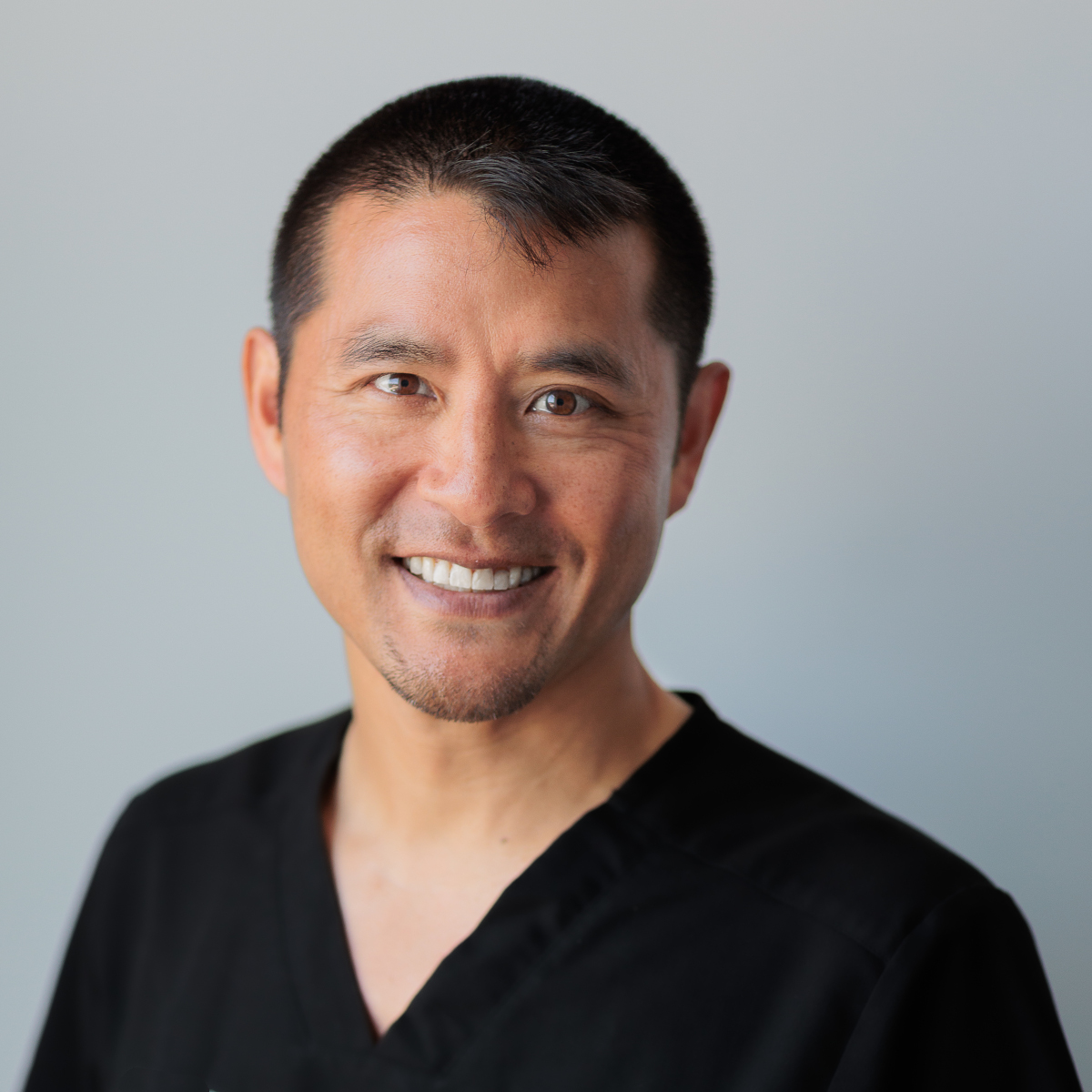
Dr. Eric Chang
A Stanford-trained, board-certified plastic surgeon, Dr. Chang combines refined surgical techniques with compassionate patient care in performing cosmetic and reconstructive plastic surgery.
Dr. Jessica Wang
A graduate of Duke and University of Virginia, Dr. Wang is a board-certified plastic surgeon with advanced training in facial aesthetic and reconstructive surgery. She is devoted to excellent results.

DR. ERIC CHANG
A Stanford-trained, board-certified plastic surgeon, Dr. Chang combines refined surgical techniques with compassionate patient care in performing cosmetic and reconstructive plastic surgery.
DR. JESSICA WANG
A graduate of Duke and University of Virginia, Dr. Wang is a board-certified plastic surgeon with advanced training in facial aesthetic and reconstructive surgery. She is devoted to excellent results.
Reconstructive Ear Surgery
Dr. Chang and Dr. Wang also perform ear surgery to correct the appearance of ears misshapen at birth or because of injury or disease. Common congenital conditions that can be changed with ear surgery include:
- Lop ear: the top of the ear is folded down
- Cup ear: a protruding ear with the top folded down and cup-shaped
- Shell ear: curved outer rim and missing folds and creases
Your surgeon can use reconstructive techniques to repair injured ears and ears altered by surgery to remove skin cancer.
Your Consultation
Your consultation is the first step in creating a personalized plan for ear surgery. During this visit, your surgeon will take the time to understand your concerns, whether they relate to ear prominence, asymmetry or structural differences from birth or injury.
A thorough evaluation will be performed to assess the size, shape, position and overall anatomy of the ears. Based on this information, your surgeon will recommend the most appropriate approach, whether otoplasty (ear pinning) or reconstructive surgery.
You’ll have the opportunity to discuss your goals, ask questions and review what to expect before, during and after the procedure. Your surgeon will explain the potential outcomes, recovery timeline and any risks so you can make an informed decision.
The Procedure
Ear surgery is typically performed as an outpatient procedure, allowing you to return home the same day. Depending on the patient’s age and the complexity of the treatment, it may be done under local anesthesia with sedation or general anesthesia.
The length of the procedure can vary, but most cases are completed within a few hours. The surgical approach is customized to address your specific concerns, whether that involves reshaping, repositioning or reconstructing the ear.
After surgery, you will spend a short time in recovery before being discharged with detailed aftercare instructions. Your surgeon will guide you through the healing process and outline what to expect in the days and weeks ahead.
Recovery
Younger children recovering after otoplasty require close attention to ensure they don’t remove bandages or engage in physical play that may compromise the results. Most children need to avoid normal outdoor activities for at least a week after surgery.
All patients return home with a thick bandage wrapped around their heads to help maintain the ears’ new position. That’s usually replaced with lighter bandages a few days later. Older adolescents and adults can usually return to school or work 3 days after the procedure, although experiences vary.
Otoplasty provides lasting changes to the shape or size of the ears, and most patients are extremely satisfied with their results. We encourage patients or the parents of younger patients to contact us with any questions during the recovery process.
Results
The results of ear surgery are visible almost immediately, though some swelling and mild bruising are expected in the early stages. As healing progresses over the following weeks, the final shape and position of the ears become more refined and natural-looking.
Otoplasty can create a more balanced and proportionate appearance by bringing the ears closer to the head or improving symmetry, while reconstructive procedures restore structure and form that blends seamlessly with your features.
Results are long-lasting, and in most cases considered permanent. As swelling fully resolves, scars continue to fade and are typically well-hidden. With proper healing and care, patients can enjoy a natural improvement in both appearance and confidence.
Otoplasty FAQs
How much does otoplasty cost?
The cost of otoplasty can vary depending on the complexity of the procedure, the surgeon’s expertise and your location. For this reason, we can provide you with an accurate cost estimate at the time of your consultation.
Does insurance cover the cost of otoplasty?
Cosmetic otoplasty is not typically covered by insurance. However, ear reconstruction performed for medical reasons, such as for congenital conditions or trauma, may be partially or fully covered.
What conditions require ear reconstruction?
Ear reconstruction may be recommended for conditions such as microtia (underdeveloped ears), congenital deformities, traumatic injuries, burns or after skin cancer removal affecting the ear.
Will there be visible scars after ear surgery?
Scars are usually minimal and well-hidden, often placed behind the ear or within natural folds. Over time, they tend to fade and become less noticeable.
Are the results permanent?
Yes, results from otoplasty and most reconstructive ear procedures are considered permanent, with long-lasting improvements in shape, position and symmetry.
What are the risks or complications of ear surgery?
As with any surgical procedure, risks can include infection, bleeding, swelling, asymmetry or changes in sensation. Serious complications are uncommon, and your surgeon will review all potential risks with you beforehand.
Subscribe to Our Newsletter
Keep in touch! Sign up for the Columbia Aesthetic newsletter and be among the first to know about events, specials, and more.
Written By: Dr. Eric Chang
Few plastic surgeons offer Dr. Eric Chang’s rare blend of impressive credentials and genuine compassion. After becoming a board-certified plastic surgeon, he returned to his home state and established Columbia Aesthetic Plastic Surgery, one of the premier cosmetic and reconstructive plastic surgery practices between Washington, D.C. and Baltimore.
More about Dr. Eric Chang | Last Reviewed: May 1st, 2026