Breast Reconstruction
Skilled and Experienced
Reconstructive Surgeons
Our experienced breast reconstruction surgeons Dr. Eric Chang and Dr. Jessica Wang use an approach to breast reconstruction that’s both sensitive and results-driven. They understand that restoring a beautiful breast appearance is an important step for women after a mastectomy.
Our surgeons specialize in two-stage breast reconstruction with implants and direct-to-implant reconstruction, using advanced techniques to complete the procedure in a single operation. Their compassionate demeanor, experience and superior surgical techniques explain why so many women throughout the Baltimore-Washington corridor choose Columbia Aesthetic Plastic Surgery for their breast reconstruction procedures.
If you have been diagnosed with breast cancer, or have a high risk of being diagnosed and are considering a mastectomy, it’s worth a consultation at our office. Please contact us online or call the office for an appointment. Note that several criteria need to be met before you schedule your initial consultation at our office, and you can find those details below.
“As a young woman who was diagnosed with breast cancer and had to face bilateral mastectomy which is life-changing, having a doctor that understood me and my situation made it less scary and my anxiety was put to rest. … I feel very blessed to have him on my team.”

Keep in mind that each patient is unique and your results may vary.
Before & After Gallery
See some of our many happy patients who have achieved excellent results through cosmetic surgery.
Breast Reconstruction: A Modern Approach
Breast reconstruction is a deeply personal decision, and many patients seek it as a way to regain a sense of wholeness, confidence and normalcy after breast cancer treatment. Modern approaches focus on creating results that look and feel natural while supporting your comfort, health and long-term well-being. During your consultation, your surgeon will explain the full range of reconstructive options and help you understand what each one can achieve, so you feel informed, supported and empowered every step of the way.
Our surgeons devote much of their plastic surgery practice to reconstruction procedures, using their expertise to offer patients the most advanced surgical techniques available to restore the shape, symmetry and size of their breasts so they appear as natural as possible, both in and out of clothes. Improved techniques have led to reconstruction results that are much more aesthetically pleasing than what was possible even 10 to 15 years ago.
Our surgeons’ extensive breast reconstruction experience is especially helpful during this emotional and stressful time, when having a plastic surgeon with a thorough understanding of the options can help to put you at ease.
Breast reconstruction procedures fall into two general categories that refer to the timing of the surgery:
- Immediate reconstruction: The procedure is performed immediately after the mastectomy (sometimes completed in stages).
- Delayed reconstruction: The procedure is performed months or years after the mastectomy surgery.
Our doctors offer both immediate and delayed procedures in a variety of forms. They are happy to work with you and your cancer-care team to find the right team and techniques for your reconstruction.
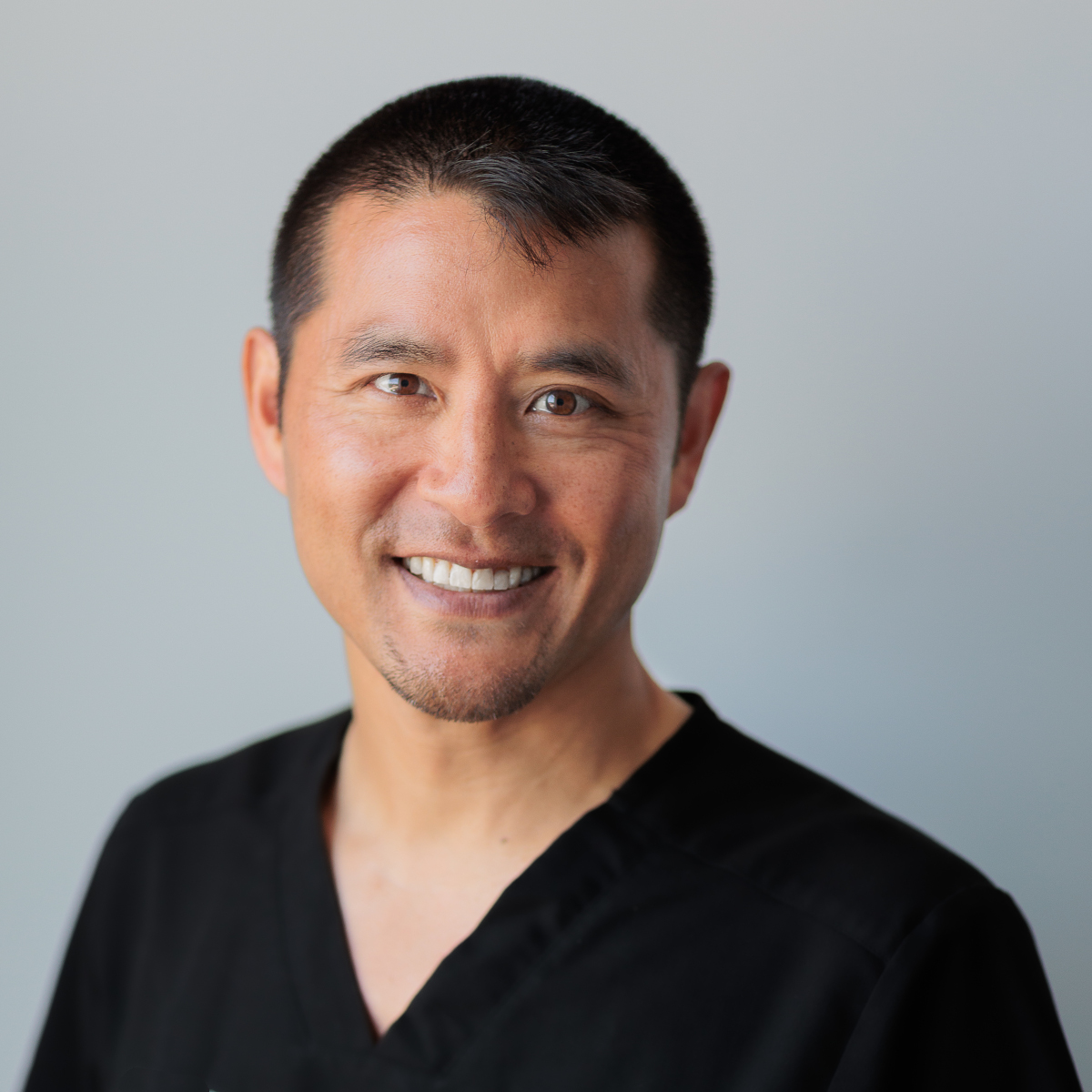
Dr. Eric Chang
A Stanford-trained, board-certified plastic surgeon, Dr. Chang combines refined surgical techniques with compassionate patient care in performing cosmetic and reconstructive plastic surgery.
Dr. Jessica Wang
A graduate of Duke and University of Virginia, Dr. Wang is a board-certified plastic surgeon with advanced training in facial aesthetic and reconstructive surgery. She is devoted to excellent results.

DR. ERIC CHANG
A Stanford-trained, board-certified plastic surgeon, Dr. Chang combines refined surgical techniques with compassionate patient care in performing cosmetic and reconstructive plastic surgery.
DR. JESSICA WANG
A graduate of Duke and University of Virginia, Dr. Wang is a board-certified plastic surgeon with advanced training in facial aesthetic and reconstructive surgery. She is devoted to excellent results.
Types of Breast Reconstruction
Breast reconstruction can be accomplished using breast implants or by creating a new breast mound using tissue, skin, and, in some cases, muscle taken from another part of your body — called autologous or “flap” techniques. Here is an overview of each technique our doctors perform.
Breast Reconstruction with Implants
Many of our patients decide to have breast reconstruction using implants. This involves choosing a style of breast implant from the many options available today, which your surgeon can help you do. Reconstruction with implants can be done in stages or completed immediately after your mastectomy, a technique called direct-to-implant reconstruction.
- Staged reconstruction with implants: In this approach, your surgeon inserts a temporary device called a tissue expander immediately after your mastectomy. At periodic appointments every few weeks, your surgeon gradually fills the balloon-like expander with more saline solution. This gradually stretches the breast skin and creates a soft pocket, where your surgeon eventually inserts a long-lasting breast implant of your choice. Patients who would like their breasts to be larger than they were before mastectomy are generally better candidates for this approach.
- Direct-to-implant: This method is often called “one-stage reconstruction.” Our surgeons perform this procedure using AlloDerm®, a mesh-like framework that consists primarily of collagen, a protein found in skin, bones and other tissue. This dermal matrix acts as a substitute for your own tissue to support the breast implant in a sling fashion. The ideal candidate for direct-to-implant reconstruction is an otherwise healthy nonsmoker with a small to moderate-sized breast who is getting implants similar to her natural breast size.
Prepectoral Breast Reconstruction
Our surgeons are committed to using the most advanced and effective breast implant placement techniques available for reconstructive surgery. It is because of that commitment that they offer prepectoral reconstruction as an option for breast reconstructive surgery. Prepectoral reconstructive surgery uses a newer, more effective technique for implant placement that is intended to provide:
- Quicker and easier recovery
- Reduce potential risks
- Create more natural-looking results.
Unlike traditional breast reconstructive surgery that places breast implants under the muscle, the prepectoral reconstruction process places the implants over the pectoralis muscle, or chest muscle, and avoids the movement of implants by using a thin collagen biologic mesh to secure the breast implant in place. Fat grafting is an added option to provide extra support by stabilizing the breast implant and encouraging more natural contours. Your surgeon will discuss your breast implant placement options for you to ensure you make the right choice.
Choosing Breast Implants
Breast implant options are more varied than ever. You can read our Breast Implants page to learn more about your choices, including:
- Material: Cohesive silicone gel or saline
- Size: The same as before your mastectomy, smaller, or larger
- Shape: Round or “anatomically” shaped
The Use of AlloDerm®
Our surgeons specialize in direct-to-implant breast reconstruction using AlloDerm® dermal tissue matrix, a mesh-like structure that supports the implant.
Autologous Flap Breast Reconstruction
Some patients may not be good candidates for reconstruction using implants, or they may prefer to use tissue and skin taken from their body to re-create the breast mound. Our doctors use flaps of tissue and skin taken from the abdominal area, the back or the buttocks to be used in breast reconstruction. Some flap procedures use muscle in addition to tissue and skin.
One of the drawbacks to flap reconstruction is that you have two separate surgical sites, which often results in a lengthier and less comfortable recovery period than after breast reconstruction with implants. However, the results are very soft and natural-feeling because they are made of your own tissue.
Oncoplastic Breast Reconstruction
Oncoplastic breast reconstruction can achieve excellent outcomes for many women facing a breast cancer diagnosis. This technique requires only one surgery for both cancer removal and reconstruction of the breast. It allows for wider excision around the tumor, which decreases risk of cancer recurrence, without compromising the look of the surgical result. Save more of your own breast tissue and avoid the need for a staged procedure with this advanced surgical technique that our doctors utilize.
Nipple & Areola Reconstruction
Modern techniques for nipple and areolar reconstruction cause little to no discomfort, and our surgeons perform these procedures on an outpatient basis. They typically reconstruct the nipple using a small amount of tissue from your body. Creating the appearance of an areola is done by tattooing.
Nipple reconstruction usually takes place about 8 to 12 weeks after breast reconstruction. The areola tattooing is performed 6 weeks after the nipple reconstruction.
Your Breast Reconstruction Consultation
Your consultation is a chance to talk openly about your goals, your medical history and what you hope to achieve from breast reconstruction. Your surgeon will review your cancer treatment plan, discuss timing options, perform a physical examination and outline which reconstructive techniques best fit your needs. This visit is also an opportunity to understand what recovery may look like, what kind of results are realistic for your body and how different approaches may affect symmetry, sensation and long-term maintenance. Many patients find that having clear, individualized guidance at this stage offers a sense of control and reassurance during a time that can feel overwhelming.
Your Procedure: What to Expect
Breast reconstruction is performed under general anesthesia, and the length of your surgery will depend on the approach your surgeon recommends. Some reconstruction techniques, particularly implant-based procedures, may take a few hours, while more complex procedures like flap-based reconstructions can take longer. Your surgeon will review the expected timeline with you in advance so you know exactly what to expect.
While some less complex implant-based breast reconstruction procedures can be performed as outpatient procedures, others may require at least one night in the hospital for monitoring and comfort. Before you go home, you’ll receive clear instructions about activity restrictions, incision care and follow-up schedules.
While every reconstruction journey looks a little different, knowing what to expect on the day of surgery and in the first few days afterward can help you feel more prepared and supported as you move through this important step in your treatment and healing.
Recovery and Results
Recovery after breast reconstruction varies depending on the technique used, but most patients can expect several weeks of gradual healing. It’s normal to experience swelling, bruising and a feeling of tightness across the chest during the early phase of recovery. Discomfort is typically managed with medication, and your surgeon will provide guidance on sleeping positions, arm movement and incision care to keep you comfortable and protect your results.
Most people take 1 to 2 weeks off work for implant-based reconstruction, and a bit longer for flap procedures, especially if the reconstruction involves tissue taken from another area of the body. Light activity is encouraged early on, but strenuous exercise, heavy lifting and overhead movements should be avoided until your surgeon clears you. Follow-up visits allow your care team to monitor progress, remove drains if they’re used and adjust your recovery plan as needed.
Swelling can take several weeks to settle, and your reconstructed breasts will continue to soften and refine as the tissues heal. Many patients start to notice significant improvements within the first few months, but final results typically take 6 to 12 months to fully develop. With time, most women find that their reconstruction looks and feels increasingly natural, helping to restore a sense of confidence in daily life.
Breast Reconstruction FAQ
How much does breast reconstruction cost in Maryland?
The cost of breast reconstruction in the Baltimore-Washington area can vary widely based on the type of reconstruction, whether one or both breasts are treated and insurance coverage. Because breast reconstruction after mastectomy is typically covered under federal law, most patients pay only a portion of the total cost, such as copays, deductibles or coinsurance. At the time of your consultation, our team can provide you with a more accurate estimate once your treatment plan and insurance benefits are reviewed.
Is breast reconstruction covered by insurance?
In most cases, yes. Federal law requires health insurance plans that cover mastectomy to also cover breast reconstruction, including procedures on the opposite breast for symmetry and any necessary revisions. Coverage details vary by plan, so your cancer-care team and ours will review your benefits and help you understand what costs, if any, you may be responsible for.
How painful is breast reconstruction?
Most patients experience discomfort, tightness and soreness rather than sharp pain, especially during the first few days after surgery. Medication, activity restrictions and support garments help to keep these effects minimized and manageable. As swelling eases and tissues adjust, most women find the discomfort steadily improves over the first couple of weeks.
Who is not a candidate for breast reconstruction?
Most people can safely undergo breast reconstruction, but certain factors may limit the options available. Patients who have uncontrolled medical conditions, active infections, poor wound-healing or who are not yet cleared from cancer treatments may need to delay or reconsider reconstruction. Heavy smoking, significant vascular issues or insufficient donor tissue can also affect eligibility for certain techniques. Your surgeon will review your health history and treatment plan to determine what approaches are safest and most appropriate for you.
What are the newest breast reconstruction techniques?
The prepectoral implant placement technique is one of the latest and most advanced. During this technique, your surgeon positions the implant above the chest muscle, rather than beneath it, to reduce discomfort and create a more natural contour. Our surgeons also use advanced fat grafting and refined flap techniques to improve softness, symmetry and overall shaping.
Subscribe to Our Newsletter
Keep in touch! Sign up for the Columbia Aesthetic newsletter and be among the first to know about events, specials, and more.
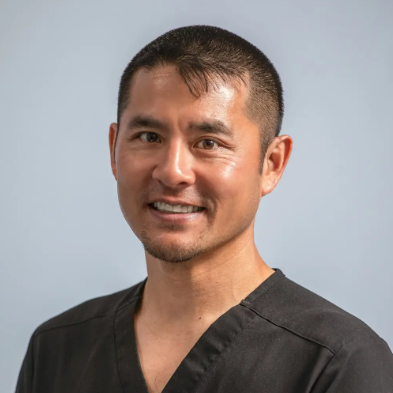
Written By: Dr. Eric Chang
Few plastic surgeons offer Dr. Eric Chang’s rare blend of impressive credentials and genuine compassion. After becoming a board-certified plastic surgeon, he returned to his home state and established Columbia Aesthetic Plastic Surgery, one of the premier cosmetic and reconstructive plastic surgery practices between Washington, D.C. and Baltimore.
More about Dr. Eric Chang | Last Reviewed: March 10th, 2026