
If you are considering liposuction, you are not alone. Thousands explore this body contouring procedure each year in a journey to a sleeker silhouette. But before you take the plunge, it is important to understand what liposuction is and how to separate fact from fiction.
Here, the doctors at Columbia Aesthetic Plastic Surgery dive into the liposuction details, explaining the procedure, when it may be right for you, and what you can expect in terms of recovery and results. Whether you are curious or committed to a new you, this guide can help you make an informed decision.
What Is Liposuction?
Liposuction is a cosmetic surgical procedure designed to remove stubborn fat deposits from various areas of the body. Unlike traditional weight loss methods, like diet and exercise, that work to shrink fat cells, liposuction directly removes the cells, helping to reshape your body and enhance definition. Liposuction is not a weight loss alternative or an obesity treatment, but rather a surgical option designed to help sculpt the body after achieving your ideal body weight.
Performed under anesthesia, liposuction involves small incisions where a thin tube, called a cannula, suctions out fat in targeted areas. This allows your surgeon to deliver a more sculpted and proportionate appearance.
What Areas Can Liposuction Treat?
Liposuction is a versatile procedure that can target a wide range of body areas where stubborn fat tends to accumulate. While it is not a weight loss solution, it is highly effective for sculpting and refining specific areas. Liposuction can help you achieve a more balanced and proportionate look in these common areas:
- Abdomen
- Waistline and love handles
- Hips
- Chest
- Back
- Thighs
- Upper arms
- Neck and chin
How Much Fat Can Liposuction Remove?
The goal of liposuction is to sculpt and contour the body, not to serve as a weight loss solution. The amount of fat that can be safely removed during a single procedure depends on a variety of factors, including your body mass index (BMI), the area being treated, your individual health, and your body contouring goals. In addition, the guidelines provided by the American Society of Plastic Surgeons recommend no more than 5 liters of fat (around 11 pounds) during a single procedure. Ultimately, the goal of liposuction is not to lose weight but rather to enhance your body shape.
Recovery and Results
While liposuction offers a powerful way to contour stubborn areas, recovery is a crucial part of the transformation. Most patients experience swelling, bruising, and mild discomfort for the first few days, with compression garments helping to reduce inflammation and support healing. Light activity is encouraged early on, but strenuous exercise should be avoided for several weeks.
Visible results typically emerge within one to three months as swelling subsides, revealing smoother, more sculpted contours. It’s important to remember that liposuction outcomes depend on individual healing, adherence to post-op instructions, and maintaining a stable weight.
Can the Fat Come Back?
Liposuction permanently removes fat cells from targeted areas, but that doesn’t mean future weight gain won’t affect your results. While the treated fat cells are gone for good, your body can still store fat in remaining cells, either in the same area or elsewhere. If you gain a significant amount of weight after surgery, new fat may accumulate in untreated regions, potentially altering your overall shape. That’s why maintaining a stable weight through healthy eating and regular exercise is key to preserving your sculpted contours. Liposuction is a powerful tool for reshaping, but it works best as part of a long-term wellness strategy, not a one-time fix.
Ready to take the next step toward a more sculpted, confident you? Dr. Eric Chang and Dr. Jessica Wang combine advanced techniques with personalized care to help you achieve natural-looking results that align with your goals. Call 410-740-9330 today to schedule your consultation and start your journey to a refreshed, empowered version of yourself.
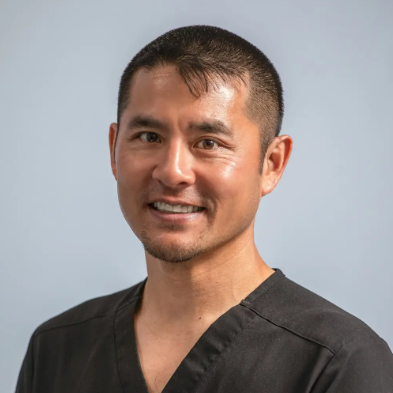
Author: Dr. Eric Chang
Few plastic surgeons offer Dr. Eric Chang’s rare blend of impressive credentials and genuine compassion. After becoming a board-certified plastic surgeon, he returned to his home state and established Columbia Aesthetic Plastic Surgery, one of the premier cosmetic and reconstructive plastic surgery practices between Washington, D.C. and Baltimore.